Introduction
Dysphagia, or difficulty ingesting, is a condition that impacts millions worldwide. It can cause major health problems, consisting of lack of nutrition, dehydration, and desire pneumonia. For caretakers, medical care specialists, and relative of individuals with dysphagia, comprehending just how to provide reliable support and training is extremely important. This write-up looks into the transformative effect of dysphagia support and training programs on people' lives. By checking out numerous elements of dysphagia care training, we aim to use understandings into how effective training can enhance results for those affected by this challenging condition.
Dysphagia Training for Carers: A Vital Resource
Dysphagia training for carers is necessary in equipping them with the understanding and abilities required to sustain individuals encountering swallowing difficulties.
Understanding Dysphagia
Before delving into the specifics of training, it is essential to understand what dysphagia involves. Dysphagia can arise from numerous problems such as stroke, neurological problems, or structural abnormalities in the throat or esophagus. Symptoms may include coughing throughout meals, trouble eating or swallowing food, and an experience of food getting embeded the throat.
The Value of Training
Training assists carers acknowledge symptoms and signs associated with dysphagia. Understanding these nuances enables them to respond promptly to worries and makes sure care staff resources for dysphagia training safer feeding practices.
Key Components of Dysphagia Training for Carers
- Recognizing Symptoms: Training often starts with how to determine prospective dysphagic signs and symptoms effectively. Safe Feeding Techniques: Appropriate strategies can lessen choking risks. Dietary Modifications: Carers discover food uniformity modifications appropriate for clients with differing degrees of dysphagia.
By participating in detailed dysphagia care training sessions, carers not just become more certain but additionally enhance their capability to supply high quality care.
Dysphagia Training for Treatment Personnel: Enhancing Team Competency
Dysphagia training for care team is crucial in institutional setups where several caretakers are associated with patient care.
Collaborative Approach
In a facility setup, communication among staff is critical. Educating motivates a joint strategy to attending to ingesting difficulties.
Developing Standardized Protocols
Through effective dysphagia training courses, groups discover standardized methods that guarantee every team member offers constant care.
Implementing Finest Practices
Training focuses on finest techniques that are evidence-based. These techniques help reduce the danger of goal and improve nutritional consumption amongst patients undertaking treatment.
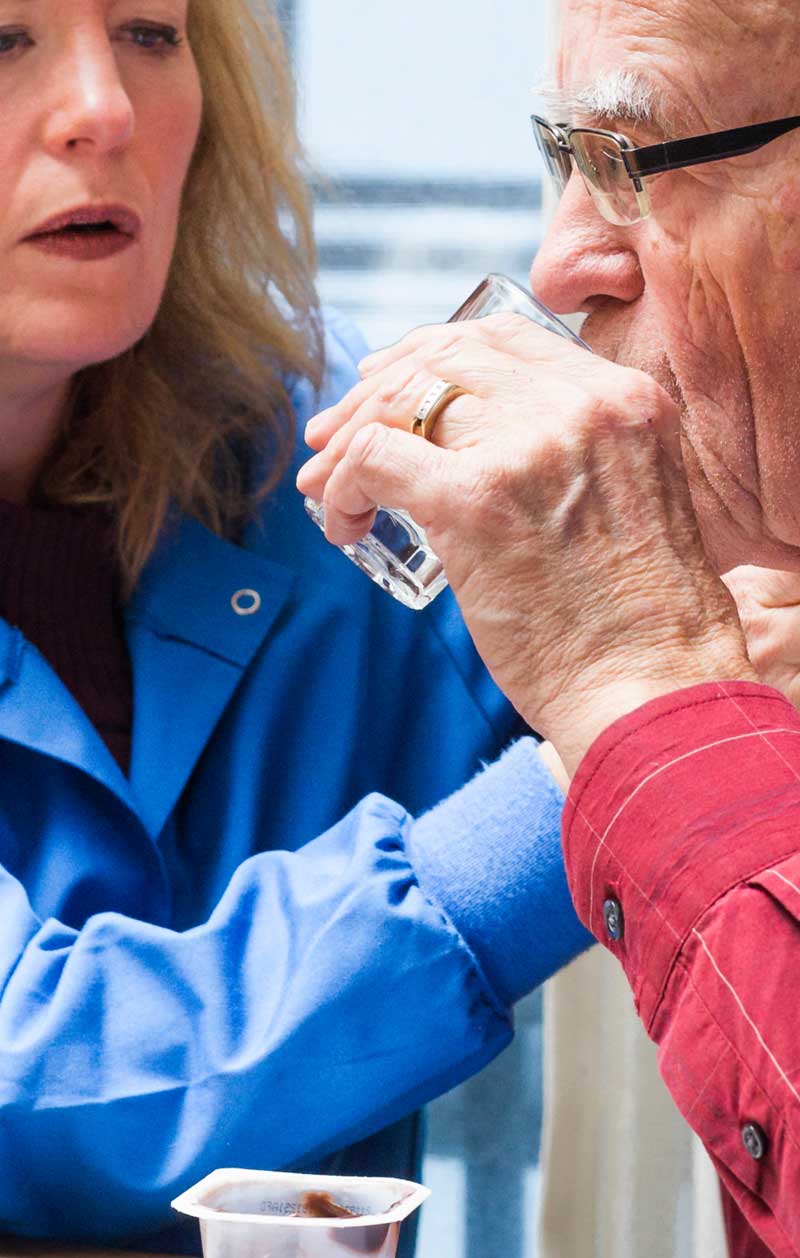
Dysphagia Care Training: A Comprehensive Overview
Dysphagia care training incorporates whatever related to handling individuals with swallowing difficulties.
Multidisciplinary Approach
The participation of speech-language pathologists (SLPs), dietitians, registered nurses, and occupational therapists guarantees that all aspects of treatment are attended to holistically.
Assessment Techniques
Training covers numerous evaluation approaches made use of by professionals to examine the extent of dysphagia in people accurately.
Creating Individualized Care Plans
Each client calls for a customized approach based on their specific requirements. Efficient training equips caretakers to establish individualized plans that attend to those needs holistically.
Dysphagia Training Training course: What You Need To Know
Enrolling in a structured dysphagia training course offers an opportunity for thorough learning.
Course Structure
Most courses include theoretical elements alongside practical demos. Participants take part in role-playing scenarios that resemble real-life scenarios they may come across while looking after people with dysphagia.
Certification Opportunities
Many courses supply accreditation upon completion. This credential enhances caretaker integrity while showing dedication in the direction of enhancing client outcomes with specialized education.
Dysphagia Training for Nurses: Unique Considerations
Nurses play an integral function in managing patients with dysphasia as a result of their straight participation in daily care routines.
Role-Specific Challenges
Nurses deal with unique obstacles when dealing with ingesting concerns because of high individual loads and diverse levels of understanding pertaining to dysphasia among taking care of team member.

Advanced Assessment Skills
With specialized dysphasia nursing training courses available today-- nurses gain progressed skills required for proper evaluations leading up towards efficient treatments tailored particularly in the direction of their patients' needs.

Frequently Asked Questions About Dysphagia Support
What are common reasons for dysphagia?
Common causes consist of neurological disorders (like stroke), head injuries, particular cancers affecting the throat or esophagus, or degenerative conditions like Parkinson's disease.
How can I recognize if somebody has actually dysphagia?
Signs may include coughing throughout dishes, taking much longer than common to eat or consume alcohol, avoiding certain foods due difficulty ingesting them comfortably and even unusual weight loss with time due absence adequate nutrition intake resulting from difficulty eating properly!
What dietary adjustments might be recommended?
Depending on extent degree; thickened liquids & & pureed diet regimens are typically suggested as they're easier/slower process when swallowed contrasted routine liquids/solid foods which might posture choking risks instead!
How typically ought to caretakers undertake refresher course courses?
Ideally every 1-2 years unless significant updates emerge within guidelines/protocols surrounding Dysphaigia after that extra trainings might come to be essential earlier rather than later!
Is there ongoing assistance readily available after getting training?
Yes! Numerous organizations provide constant access resources/materials post-training sessions making certain caregivers continue to be upgraded concerning new developments bordering monitoring strategies effectively dealing with Dsyphaigia cases!
li9/ol1/##
Conclusion
Transforming Lives Through Effective Dysphagia Support and Training can not be overstated; investing time right into proper education and learning equips providers-- whether expert nurses/caregivers/family-- with tools needed making certain safety/well-being people facing difficulties originating from this condition! As awareness grows around importance sustaining those identified-- more people will inevitably profit leading healthier lives filled up much less concern relating to mealtime experiences in advance!
Through structured programs concentrating mainly on improving ability by means of comprehending complexities entailed taking care of varying levels severity degrees among population experiencing troubles bordering swallow-- everyone wins! Let us champion cause with each other making sure no one really feels left behind throughout journey toward recuperation in the middle of tests posed by Dyshpagia's complexities!